Beginner Lessons
Japanese Sentence Structure
Start with simple Japanese grammar and sentence structure.
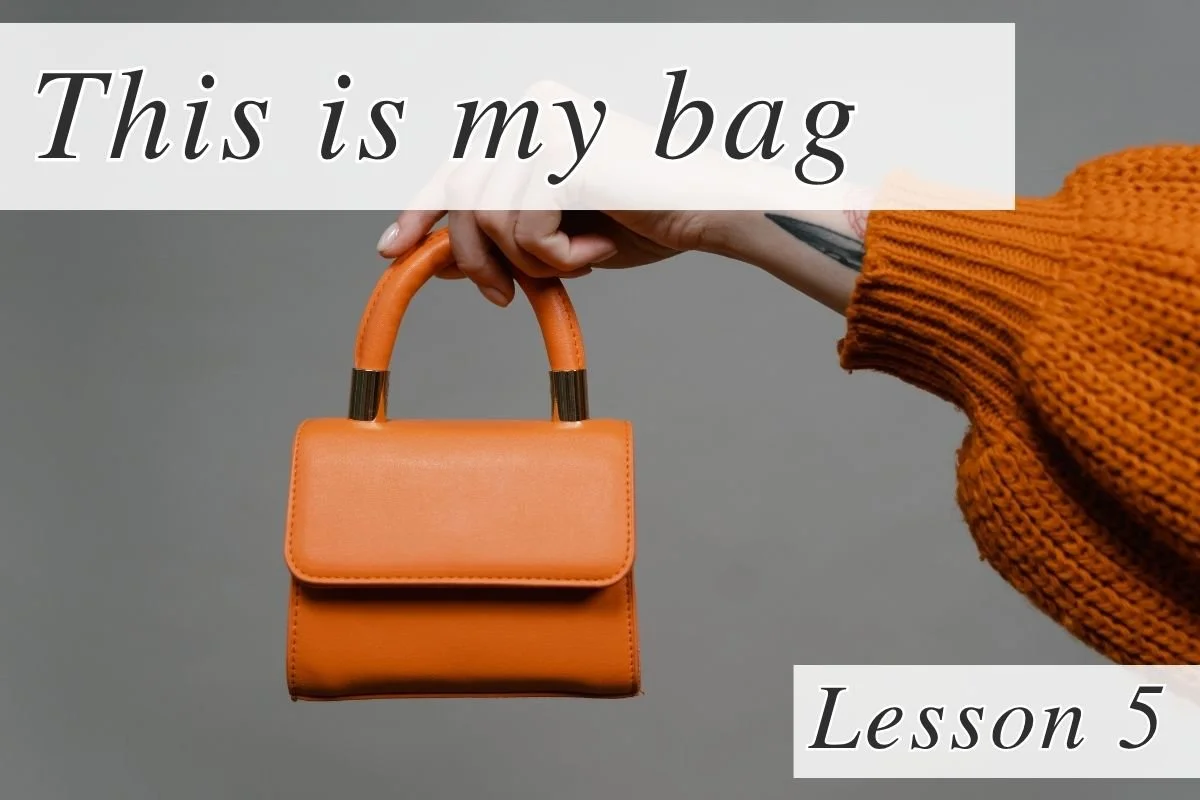
What does の mean in Japanese? Learn how の connects two nouns with simple examples like わたしのバッグ, 日本の食べ物, and 東京のホテル.
Learn how to build your first Japanese sentence using A は B です. We’ll break down は and です with simple examples you can start using right away.
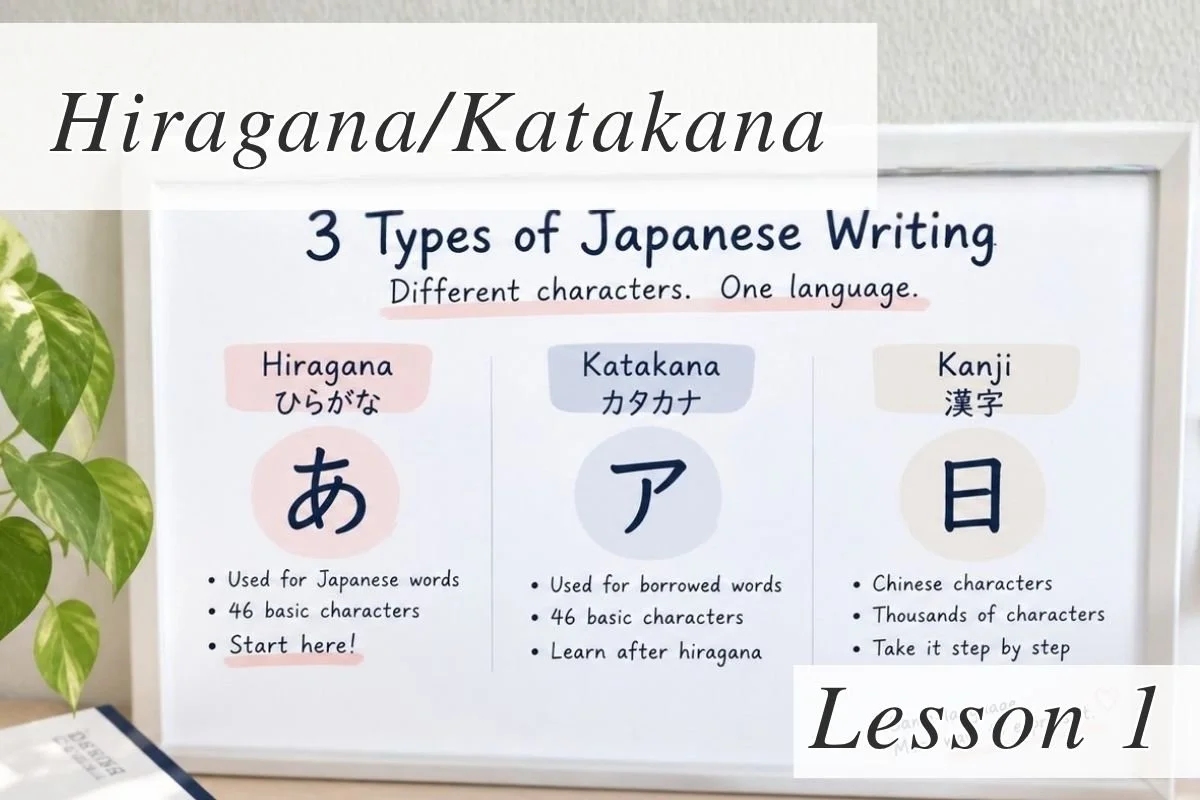
New to Japanese? Start here. Learn hiragana first, practice writing it by hand, then move on to katakana with this simple beginner guide.
Japanese Vocabulary and Phrases
Real Meanings Explained
Japanese you actually hear. Discover the real meaning behind the words.
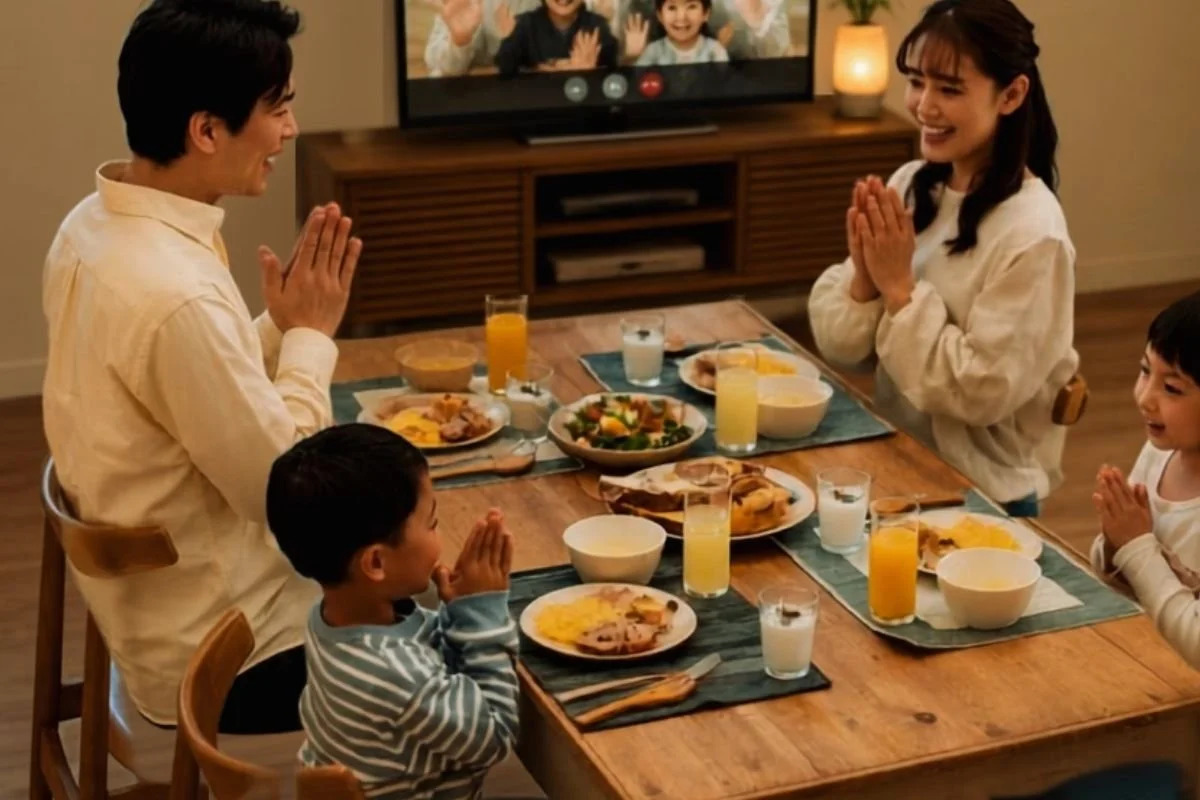
Itadakimasu (いただきます) is often translated as “Let’s eat,” but its real meaning goes much deeper. Discover where the word comes from and how this simple phrase expresses gratitude for the food, nature, and people behind every meal.
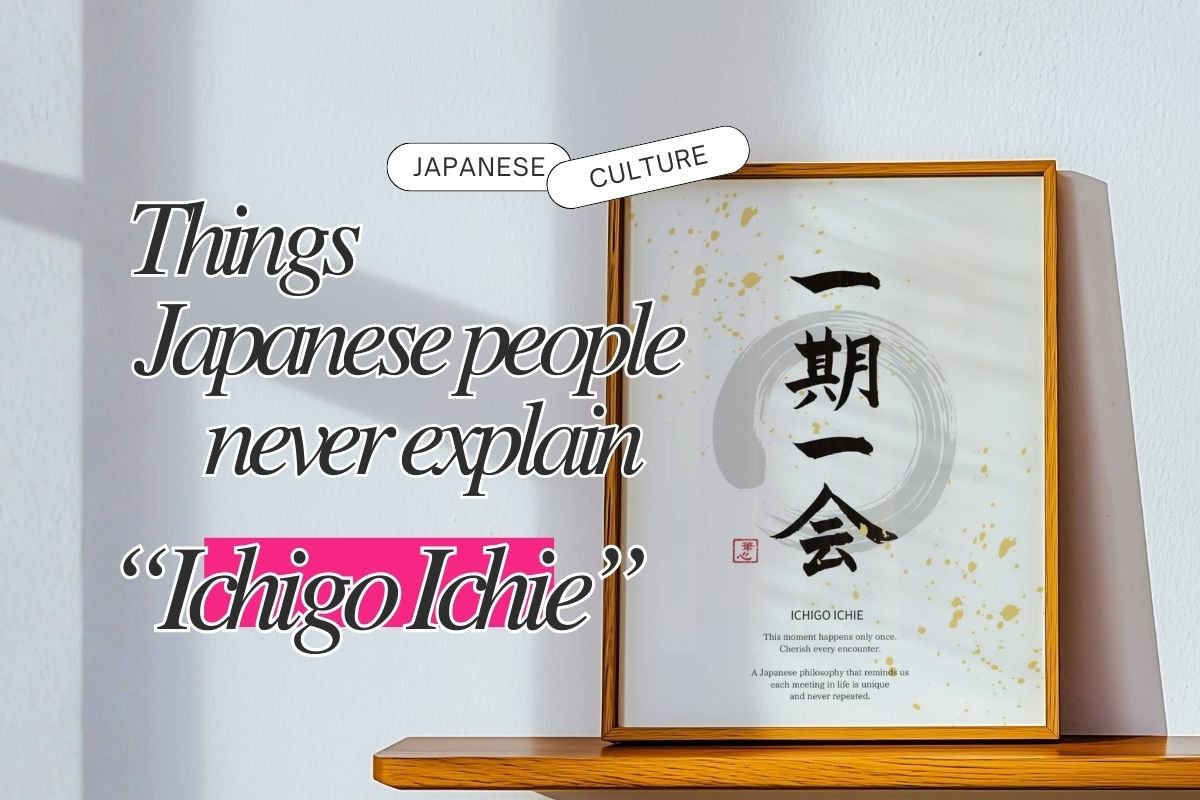
When comes to Japanese wisdom word or phrase, it’s often the case that becomes popular outside of Japan first since we just live by that philosophy.
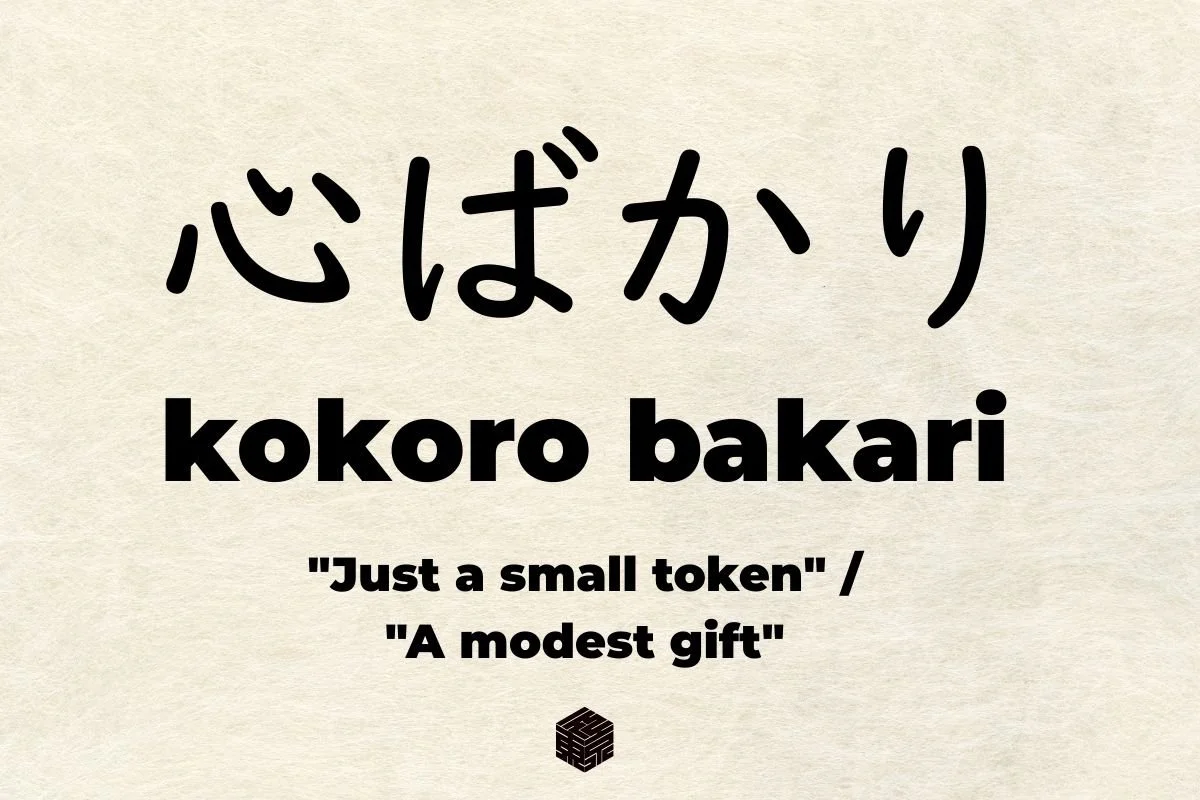
What is Kokoro bakari mean in Japanese? We will explain what it means and how to use Kokoro bakari in daily life.
Yappari is a common Japanese word with no single English translation. Learn how やっぱり is actually used to mean “as expected,” “I knew it,” “after all,” and more.
Iku means “go” and kuru means “come” — but Japanese doesn’t always use them the way English does. The key is understanding where the speaker is and which direction the movement is going.
Iku and kaeru can both involve “going” somewhere, but they mean different things in Japanese. Learn when to use 行く (iku) and when to use 帰る (kaeru) with simple, natural examples.
Yabai is one of those Japanese words that can mean something bad — or something surprisingly good. Learn what やばい really means and how Japanese speakers actually use it.
とうきょうへいく。